顯示具有 英文 標籤的文章。 顯示所有文章

2021年1月26日 星期二

病毒英文


疫苗一詞「vaccine」源自於愛德華·金納所使用的牛痘。「vacca」為拉丁文,意即牛。

 pandemic (from Greek πᾶνpan, "all" and δῆμοςdemos, "people" the 'crowd') is an epidemic of an infectious disease that has spread across a large region, for instance multiple continents or worldwide, affecting a substantial number of people. 

novel coronavirus (n.) 新冠病毒(武漢肺炎)novel 當名詞為小說,當形容詞為新型的

outbreak (n.) 病毒爆發

droplet infection (n.) 飛沫傳染

quarantine (n.) 檢疫隔離 home isolation (n.) 居家隔離 / hospital quarantine (n.) 住院隔離
The word "quarantine" originates from quarantena, the Venetian language form, meaning "forty days".[15][3] This is due to the 40-day isolation of ships and people practised as a measure of disease prevention related to the plague

stockpile 囤貨
incubation period 潛伏期Incubate 是動詞,指「(細菌或病毒在體內)潛伏」
contract / catch / be infected with 感染、患上
Contract 是動詞「感染、患上」的意思,這是比較正式的用詞,一般也可以用 catch 來表示相同意思,後面直接加上疾病名稱。
precaution 預防、預防措施

mix and match 混打、booster shot 追加劑、疫苗混打(mixing vaccines)

一劑疫苗可以用dose (n),名詞「劑量」即為dosage

immune system 免疫系統、immune response (免疫反應)

2020年9月8日 星期二

用英文禮貌回應對方的感謝

 https://buzzorange.com/vidaorange/2019/12/09/16-responses-to-thank-you/

非正式、口語

1. You’re welcome.

這大概是最常聽到、英文學習者使用率最高的一句了,不過我們如果再延伸一點,加上 very 的話,可以用來強調自己是誠心誠意地在回覆對方的感謝,寫成 You are very welcome! 像 Lucy 舉的這個例子:

A: Thank you so much for packing my shopping for me.(謝謝你幫我裝好我買的東西。)

B: Oh, you’re very welcome.(喔,完全不需要客氣。)

Lucy 在影片中有提到,這是很英式的說法,如果你哪天剛好要去英國,不妨試試這樣的說法喔!

2. No problem!

這是比較偏美式的用法,老一輩似乎比較不喜歡這樣的回答方式,要小心。

A: Thanks for the help today.(謝謝你今天的幫忙。)

B: No problem. I enjoyed helping you.(不客氣。我很樂意幫忙。)

3. Thank you.

看到這樣的回應方式,你可能覺得有些奇怪,怎麼在說「謝謝你」?記得,這種回應方式的重點完全在「語氣的強調」,也就是說,如果有人感謝你,但你覺得應該是對方要被感謝才對,你就可以這樣說。

A: Thanks for accepting the invitation.(謝謝你接受我的邀請。)

B: Thank YOU!(我才要謝謝你!)

像這樣就是在強調「我其實才該感謝對方,因為他們大方邀請我。」

4. The pleasure is mine!

這句話如果像這樣完整說,其實會顯得比較正式,但我們可以簡短表示,像 My pleasure!「我的榮幸!」或是 Pleasure!「別客氣!」。

A: Thanks for taking the parcel in for me.(謝謝你幫我把包裹拿進來。)

B: Pleasure!(別客氣!)

5. I know you’d do the same for me!

這是一種相當友善的用法喔,適合用在熟人身上,完整寫出來的話會是 I know you would do the same for me. 例如:

A: I’d like to thank you for looking after my cat so well.(我想謝謝你把我的貓照顧得那麼好。)

B: I know you’d do the same for me.(我知道你也會為了我這麼做。)

意思就是說「我知道如果換成是你,你也會照顧我的貓,我們互相啦。」

6. That’s all right!

這個說法相對隨興,甚至有時候如果語調稍微一變,會顯得你不太在乎,所以「語氣」很重要喔!像是以下這個情境:

Thank you for picking me up from the station.(謝謝你把我從車站接回來。)

如果你很樂意去接人家,語氣可能就會是:That’s all right!(沒什麼啦!)

如果是心不甘情不願去接,又藏不住情緒,可能就會說:That’s all right.(沒什麼。)

7. No worries!

接下來這句也相當隨興,例如:

A: Thanks for letting me know that my car alarm was going off.(謝謝告訴我車子的防盜警報器響了。)

B: No worries. I thought I’d better tell you.(不會。我想說最好跟你說一聲。)

8. Don’t mention it!

這種說法也很英式,而且很自謙,舉個例子:

A: Thank you so much for bringing the dessert.(謝謝你帶甜點來。)

B: Oh! Don’t mention it!(不用謝啦!)

這種意思就像在表達「雖然帶著甜點來可能很麻煩,我們可能也想要聽到你的感謝,但還是會說『不用謝啦!』」。

9. It was the least I could do!

講出這樣的話,可以讓人感到你的真心誠意,是非常誠懇的說法喔,它一樣很英式,例如:

A: Thank you for visiting me in hospital.(謝謝你到醫院探望我。)

B: Oh, it was the least I could do.(喔,這點事根本算不了什麼。)

10. Anytime!

這句也是相當的口語,而且很大方,例如:

A: Thank you for stopping by.(謝謝你順道過來。)

B: Oh, anytime!(噢,不會啦!)

11. Sure!

這個用法非常美式、非常隨興,常常會跟 No problem! 一起用,講成 Sure, no problem!

A: Thank you for thinking of me.(謝謝你想到我。)

B: Sure!(不會!)或是 Sure, no problem!(不會啦。不客氣。)

12. It was nothing!

以這種方式回應感謝可以讓對方感受到,你覺得他們感謝你的事情其實一點都不麻煩。

A: Thank you for picking my kids up from school.(謝謝你們到學校接我小孩下課。)

B: It was nothing. My kids already needed picking up. No extra effort here.(那沒什麼啦。我也需要載我小孩啊。一點都不麻煩的。)

正式、適合商業或是店面經營

13. Much obliged!

這是一種很英式的說法,而且相當老派,它的完整版是:I’m very much obliged to you.「我不勝感激。」

Thank you so much, doctor. I’m very much obliged to you.(醫生,很謝謝你。感激不盡。)

14. You’re most welcome!

一般來說,只有在很正式場合才會這樣來回應對方的感謝,像影片中 Lucy 提到,她的律師是個嚴謹的人,那前幾天他們講完有關法律的事情,在跟她的律師說謝謝的時候,得到的就是這個回應:You’re most welcome!「無須客氣!」

15. We appreciate your business!

如果是商業方面的對象就很適合這種說法,舉個例子:

A: Thank you for sending the sample so promptly.(感謝您如此快速寄送樣品。)

B: We appreciate your business.(我們很感謝貴公司的合作。)

16. I’m happy to help!

最後這句絕對適合在職場使用,哪天在辦公室或上班的地方遇到類似情境,可以試著運用這句到你們的對話中喔!

A: Thank you for helping me carry the coffees to the office.(謝謝你幫我把咖啡拿到辦公室。)

B: Oh, I’m happy to help.(喔,我很樂意幫忙。)

複習完這麼多可以說「不客氣」的用法,也要記得找機會真正運用,才會進步喔!

2017年1月31日 星期二

Introducing Points of discussion 表達詞語介紹

Introducing visual information:
"let's take a look at" 可用來將注意力吸引到一些視覺資訊上,例如圖表、註記、報告或圖形上。
該詞語後面要接名詞片語或疑問詞子句。
Let's take a look at the figures.
Let's take a look at the report.
Let's take a look at what we've created so far.

Introducing an idea or topic:
"let's consider" 可用來引入或將注意力吸引至某個想法或主題上。它代表 "let's think carefully about ..."(讓我們仔細想想...)之意。
該詞語後面要接名詞片語或疑問詞子句。
Let's consider the issues.
Let's consider what he's saying.
Let's consider John for a promotion.

Introducing something to be reviewed:
"let's go over" 可用來引介特定的事物以供審閱。
該詞語後面要接名詞片語或疑問詞子句。
Let's go over the specifics of the contract.
Let's go over our three main options.
Let's go over the agenda.
Let's go over what we decided at the last meeting.

Introducing something to be analyzed:
這些片語可用來引介需要嚴格審閱的事物。
該詞語後面要接名詞片語或疑問詞子句。
Let's analyze the profit report.
Let's analyze the direct marketing results.
Let's analyze how our product is selling.
Let's evaluate our progress so far.
Let's evaluate the success of our development team.

"let's figure out" 表示 "let's think about something until we find a solution or understand it."(讓我們想想,直到找出解決方案或瞭解為止)之意。
"figure out" 為可分隔的片語動詞,後面可接名詞片語或疑問詞子句。
Let's figure out our expenses for the business trip tomorrow.
Let's figure that out soon.

Reminding the listener of an idea:
這些片語可用來提醒聽者某個想法或意見。
後面可接名詞片語或 ("that") + S + V(或疑問詞子句)。
Let's not forget the reason we're here.
Let's not forget that she's the best designer.
Let's not overlook the possibility of hiring a contractor.
Let's not overlook all the support they've shown us.

完整說明
"let's take a look at" 可用來將注意力吸引到一些視覺資訊上,例如圖表、註記、報告或圖形上。
該詞語後面要接名詞片語或疑問詞子句。
"let's consider" 可用來引入或將注意力吸引至某個想法或主題上。它代表 "let's think carefully about ..."(讓我們仔細想想...)之意。
該詞語後面要接名詞片語或疑問詞子句。
"let's go over" 可用來引介特定的事物以供審閱。
該詞語後面要接名詞片語或疑問詞子句。
這些片語可用來引介需要嚴格審閱的事物。
該詞語後面要接名詞片語或疑問詞子句。
"let's figure out" 表示 "let's think about something until we find a solution or understand it."(讓我們想想,直到找出解決方案或瞭解為止)之意。
"figure out" 為可分隔的片語動詞,後面可接名詞片語或疑問詞子句。
這些片語可用來提醒聽者某個想法或意見。
後面可接名詞片語或 ("that") + S + V(或疑問詞子句)。

2017年1月28日 星期六

片語

"stumbling block"(名詞片語)是指一個會阻撓後續進程或目標的問題。
Let's figure out what stumbling blocks we might run into.
Resistance from management might be a stumbling block to an agreement.

"rest assured"(動詞片語)是用來告訴某人某件事是真實的,且不需要煩惱。"rest assured" 後面要加上 ("that") + S + V。"that" 則可有可無。
There is no fog at Heathrow Airport, so we can rest assured that we will land in London on time.
You can rest assured that we want to acquire companies that we can grow.

"track record"(名詞片語)是指某個人或某件事成功或失敗的表現記錄。
We only seek out companies that have an impressive track record.
I'm not sure we should use that airline since it has a pretty bad track record. 

"put in writing"(動詞片語)表示將某事正式列入文件中。"put in writing" 要與受詞合用,受詞通常置於 "put" 和 "in writing" 之間。
I'm not sure that we can put any guarantees in writing. 
The offer isn't official until they put it in writing.

疑問詞子句

疑問詞子句為名詞子句的一種。名詞子句包含一個主詞及一個動詞,在句子中的作用與單數名詞相同。
Let's ask the secretary where we should go.
The manager told us what to do.
I wish I knew why she left the company.

His story was interesting. --> What he said was interesting.
I don't know the teacher. --> I don't know who she is.

疑問詞子句可為動詞的主詞或受詞。
What he said was interesting. 當主詞
I don't know who she is.  當受詞

下列字詞經常用作疑問詞子句的開頭。
Words used to begin question-word clauses : when, where, why, how, who, what

一般而言,疑問詞子句的句型如下:
疑問詞 + 主詞 + 動詞。
We discussed how the meeting went.
how the meeting went
                  S          V

I don't know who the manager is.
who the manager is
                  S         V

使用疑問詞來形成問句時,助動詞 "do"、"does" 和 "did" 通常直接置於疑問詞後面。
用疑問詞來形成疑問詞子句時,則不要將這些助動詞置於疑問詞後面。
使用疑問詞來形成問句 : What did they announce at the meeting?
用疑問詞來形成疑問詞子句 : What they announced at the meeting surprised everyone.

使用疑問詞來形成問句 : Why do they change the policy every year?
用疑問詞來形成疑問詞子句 : Nobody knows why they change the policy every year.

Question-word clauses with what or who
"what" 或 "who" 可用來作為疑問詞子句的主詞。
當 "what" 或 "who" 作為疑問詞子句的主詞時,會使用下列的句型:
"what/who" + V。
I want to know what happened.
                            S         V
I don't know who is in the office.
                        S    V


例句:
1Devon: How long has Mark worked in this industry?
Devon wants to know how long Mark has worked in this industry

解釋:上述答案是正確的。疑問詞子句是動詞 know 的受詞。在疑問詞子句中,主詞要置於動詞之前。

2Devon: When did Mark first come to Japan?
Devon wants to know 
when Mark first came to Japan
解釋:上述答案是正確的。疑問詞子句是動詞 know 的受詞。在疑問詞子句中,主詞要置於動詞之前。
去掉助動詞 動詞時態要改變

3Devon: Why is Mark interested in this position?
Devon wants to know 
why Mark is interested in this position
解釋:上述答案是正確的。疑問詞子句是動詞 know 的受詞。在疑問詞子句中,主詞要置於動詞之前。


4Devon: What are Mark's salary requirements?
Devon wants to know what Mark's salary requirements are解釋:上述答案是正確的。疑問詞子句是動詞 know 的受詞。在疑問詞子句中,主詞要置於動詞之前。


5Devon: Who told Mark about the position?
Devon wants to know who told Mark about the position解釋:上述答案是正確的。疑問詞子句是動詞 know 的受詞。在疑問詞子句中,主詞要置於動詞之前。


6Devon: Where did Mark work in Germany?
Devon wants to know where Mark worked in Germany解釋:上述答案是正確的。疑問詞子句是動詞 know 的受詞。在疑問詞子句中,主詞要置於動詞之前。
去掉助動詞 動詞時態要改變

2016年11月27日 星期日

Introducing Possibilities

What if...?
What about...?
Imagine if...
這些詞語可用來引介可能性、想法或作建議。

What if you're offered even more money than you expected?
What if they offer you a six-week vacation?
Imagine if they ask you to travel to exciting places.
"what if" 和 "imagine if" 可用來引介一個可能的或假想的情境。
兩者之後都要加上主詞和動詞。"what if" 會引出一個問句,因此要使用問號。"imagine if" 會引出一個敘述句,因此會使用句號。

We need to make some big changes to improve sales.
What about changing our brand identity?
What about improving the advertising campaign.
"what about" 可用來建議可能的解決方案或想法。當 "what about" 作此用途時,後面要接動名詞(V + "ing")。"what about" 會引出一個問句,因此要使用問號。

2016年11月26日 星期六

Reported Speech

間接敘法可用來將某人說的話告訴或轉述給他人。"say" 和 "tell" 經常用於間接敘法的句子中。
一般來說,"say" 和 "tell" 的簡單過去式經常用來引介間接敘法的句子。請注意,"said" 的後面要接 ("that") + S + V,而 "told" 後面則接名詞或代名詞 + ("that") + S + V。在兩種情況中 "that" 這個字都可有可無。
在間接敘法中,轉述的內容需要稍加變更。用過去式動詞("said"、"told")來引介間接敘法時,現在式動詞需改為過去式。
在間接敘法中,簡單過去式的動詞可以改為過去完成式。不過在英文口語中,動詞形態不用變更。
以過去式引介間接敘法時,某些狀態助動詞要作變更。請注意,"could"、"would"、"should" 和 "ought to" 不用變更。
間接敘法中的代名詞也經常會變更。第一人稱代名詞通常會變為第三人稱代名詞。不過,如果說話者是在轉述自己所說的話時,"I" 則不會改變。
如果您在轉述某人與您,或是包括您在內的一群人的談話內容,第二人稱代名詞通常會變為第一人稱代名詞。
Reported speech is used to tell or report to someone what another person said. The words say and tell are often used to introduce reported speech. 

例:
Chuck: I want to grow the company. 
I : Chuck said that he wanted to grow the company.
Or
I : Chuck told me that he wanted to grow the company.
間接敘法可用來將某人說的話告訴或轉述給他人。"say" 和 "tell" 經常用於間接敘法的句子中。
Usually, the simple past forms of the verbs say and tell are used to introduce reported speech. Notice that said is followed by that + S + V
but told is followed by a noun or a pronoun + that + S + V. 
The word that is optional in both cases. 
一般來說,"say" 和 "tell" 的簡單過去式經常用來引介間接敘法的句子。請注意,"said" 的後面要接 ("that") + S + V,而 "told" 後面則接名詞或代名詞 + ("that") + S + V。在兩種情況中 "that" 這個字都可有可無。

Verb Tense Changes
Chuck: I want to grow the company. 
I : Chuck said that he wanted to grow the company. 

Matthew: I am reading the report.
I : Matthew told me that he was reading the report.

A few changes need to be make to the speech you are reporting . When the reported speech is introduced by a verb in the past tense (said, told), verbs in the present tense change to past tense.
在間接敘法中,轉述的內容需要稍加變更。用過去式動詞("said"、"told")來引介間接敘法時,現在式動詞需改為過去式。

Carlo: I finished the presentation early.
I : Carol told me that she had finished the presentation early. 
or
I : Carol told me that she finished the presentation early. 

Verbs in the simple past can change to the past perfect in reported speedh. However, these verbs often don't change in spoken English. 在間接敘法中,簡單過去式的動詞可以改為過去完成式。不過在英文口語中,動詞形態不用變更。

Modal Changes
Chuck : I can grow the company.
I : Chuck said he could grow the company.

Matthew: I will lead the meeting. 
I : Matthew told me that he would lead the meeting. 

some modals change when the reported speech is introduced in the past tense. Note that could, would, should, and ought to don't change. 以過去式引介間接敘法時,某些狀態助動詞要作變更。請注意,"could"、"would"、"should" 和 "ought to" 不用變更。

Pronoun Changes
Chuck: I want to grow the company. 
I : Chuck said that he wanted to grow the company. 

Pronouns also often change with reported speech. First person pronouns usually change to third person pronouns. However, if the speaker is reporting what he or she said, I doesn't change. 間接敘法中的代名詞也經常會變更。第一人稱代名詞通常會變為第三人稱代名詞。不過,如果說話者是在轉述自己所說的話時,"I" 則不會改變。

You need to make a decision soon. 
Matthew said that I needed to make a decision soon. 

Your report is due tomorrow.
如果您在轉述某人與您,或是包括您在內的一群人的談話內容,第二人稱代名詞通常會變為第一人稱代名詞。
Second person pronouns usually change to first person pronouns if you are reporting what someone said to you or to a group that includes you. 

Sue said that our report was due tomorrow. 


2016年11月20日 星期日

Vocabulary

Diversify
vt. & vi. 使多樣化; 多樣化
進入新的商業領域

"seniority"(名詞)是指年資。"seniority" 為不可數名詞。另一種形式為 "senior"(形容詞)。
What if our seniority doesn't matter anymore?
Amy was promoted mostly because of her seniority.


sake
緣故,理由;為了,看在…份上
"for the sake of"(介詞片語)是指為了改善、提升或造福某人或某事之意。
"for the sake of" 後面要接名詞片語。您也可以將名詞片語的所有格形態置於 "sake" 前面。
若是採取此種用法,則省略 "of"。
For my client's sake, I need to understand acquisition process.
For the sake of fairness, everyone should be involved the negotiations.

"continuity"(名詞)是指即使一段時間內當其他事情有所變化,而仍能維持不變的特質。如果有"continuity"即表示有某種程度的一致性。"continuity" 為不可數名詞。其它的形態還包括 "continue"(動詞)和 "continuous"(形容詞)。
His presence could actually help maintain the continuity and stability of the company.
Let's make sure the new accountant maintains the continuity in our payroll process. 

"specifics"(名詞)是指某件事的相關細節或特質。"specifics" 永遠為複數形態。"the" 這個字可有可無。其它的形態還包括 "specific"(形容詞)。
Let's talk about specifics later.
It's common to discuss specifics such as salary and benefits in a second job interview. 

"be pressed for"(動詞片語)是指缺乏某事物。"be pressed for" 的後面要接受詞,通常為 "time" 或 "money"。
I'm a little pressed for time. 
We can't build a new facility this quarter; we're pressed for money.


2016年9月28日 星期三

Expressing Agreement

Expressing strong agreement 這些詞語可用來表示您完全同意他人的話,表達出強烈的贊同之意。

  • I completely agree.
  • Absolutely.
  • Definitely.
A:I thought the conference we attended on emerging technologies was extremely informative.
B: I completely agree.
A: The networking meeting was a great way to meet potential clients.
B: Absolutely.

Expressing partial agreement 這些詞語表示您同意某人部份的意見,而非完全同意。表達出部份贊同之意。

  • I would tend to agree with you.
  • I agree in principle. 
  • I agree in general.


A: I think the increase in interest rates is a good thing for the economy.
B: I agree in general, but there are some negative points as well.
部份同意詞語的後面通常會接相反的意見,例如:"I agree in general, but..."

Expressing simple agreement 某些詞語只顯示贊同之意,不強調任何事情。

  • I agree with you on that.
  • You're right.
  • I have the same opinion.


Traffic is getting worse now that so many companies are opening office in this part of town. 
You're right.

2016年9月27日 星期二

Past Perfect

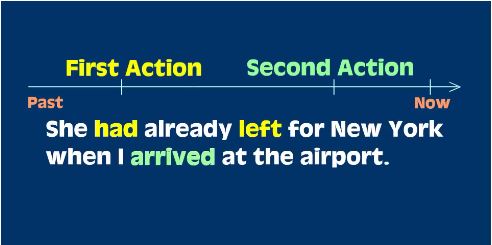
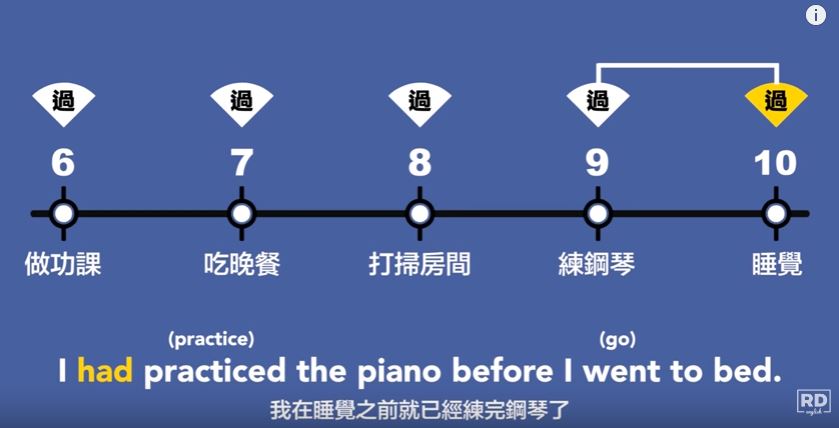
過去完成式的句型為 "had" + 過去分詞。它用來表示某項動作是在過去另一項動作之前完成的。第一個事件 (had left for New York) 用過去完成式。第二個事件 (arrived at the airport) 則用簡單過去式。


如果句中有 "before" 或 "after" ,通常就不需要使用過去完成式,因為時間的關係十分明顯。所以可以改用簡單過去式,像第二句一樣。兩個句子的意義相同。
在這些句子中,過去完成式用來表達未實現的願望。在第一個句子中,說話者希望訂期相會,但是未能如願。在第二句中,說話者未能接獲 Mike 將會晚到的通知,但是希望之前若是能接到就好了。
I had hoped to make an appointment with him before he left.
I wish you had told me Mike was going to be late.
否定句的句型為將 "not" 置於助動詞 "had" 之後。
問句的句型為將助動詞 "had" 置於主詞之前。

THE PAST PERFECT TENSE

Use the past perfect to show that an action was completed before another action in the past. Use the past perfect to describe the first action and use the simple past to describe the second action.
Positive Statement
+ had + past participle
She had already left for New York when I arrived at the airport.
Negative Statement
+ had + not + past participle
He hadn't called me in a few days, so I called him.
Question
Had + S + past participle?
Had you met him before this evening?
She had already left for New York when I arrived at the airport.
(First she left for New York, and then I arrived at the airport.)
In sentences with before or after, the past perfect is optional because the time relationships are already clear.
Mike had left for London before I arrived at his house.
Mike left for London before I arrived at his house.
The past perfect can also be used to express an unrealized hope or wish.
I had hoped to make an appointment with him before he left.
I wish you had told me Mike was going to be late.
補充: https://www.youtube.com/watch?v=7sXGfQ6R6nc


標籤